
Reshaping Architecture: The Power of Artificial Intelligence

Reshaping Architecture: The Power of Artificial Intelligence
Artificial intelligence is no longer just a catchphrase used in conferences; it is a practical tool used for ongoing projects that enables designers to generate options in a matter of seconds, identify issues before they become expensive ones, and assist in the precise planning of vital infrastructure that was not feasible just ten years ago.
However, AI has enhanced rather than replaced the principles of sound architecture. Businesses that already have strong design leadership, strict project management, and in-depth industry knowledge and that use AI to improve decision-making instead of outsourcing it are the ones that are truly benefiting from AI.
That’s precisely the perspective we offer at Pivotal International: one team, one point of responsibility, utilising the best tools available, including artificial intelligence, to deliver robust, future-ready infrastructure and buildings across more than 90 countries.
Here’s a look at how AI is appearing in practically every built environment discipline and why the consulting that surrounds it is just as important as the technology itself.
1. Design: From Concept to Concept Options in Minutes:
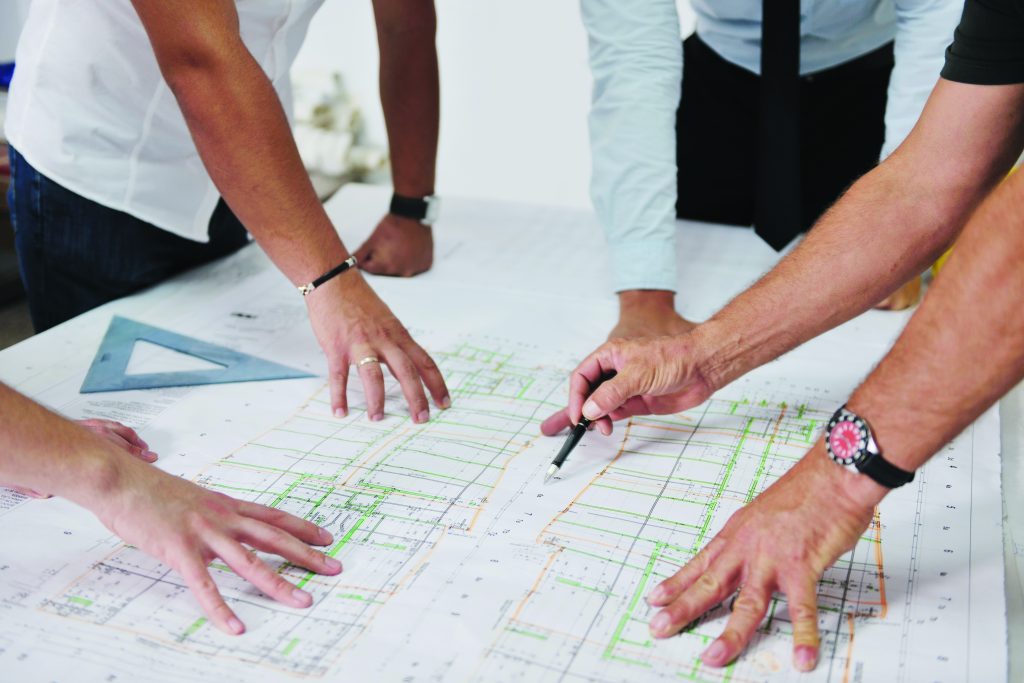
Generative design tools can now take a brief, site constraints, floor-area targets, orientation, and structural grid, and produce dozens of viable massing or layout options almost instantly. Architects then use their judgement to select, refine, and combine the strongest ideas, rather than sketching every permutation by hand.
AI is also being used for:
- Parametric and generative modelling, testing structural, spatial, and daylighting variables against each other automatically
- Rendering and visualisation, producing photorealistic imagery and walkthroughs, far faster than traditional 3D pipelines
- Facade and material optimisation, balancing aesthetics against thermal performance, cost, and buildability
This doesn’t reduce the need for skilled architectural and engineering input; it changes where that input is spent. Instead of manually iterating on options, designers spend more time interrogating which option best serves the client’s brief, budget, and long-term operational needs. Pivotal’s Architecture and Engineering teams sit inside exactly this shift, pairing modern design tooling with decades of hands-on delivery experience across healthcare, residential, mixed-use, and mission-critical sectors.
2. Master Planning & Urban Design: Modelling Cities Before They’re Built:
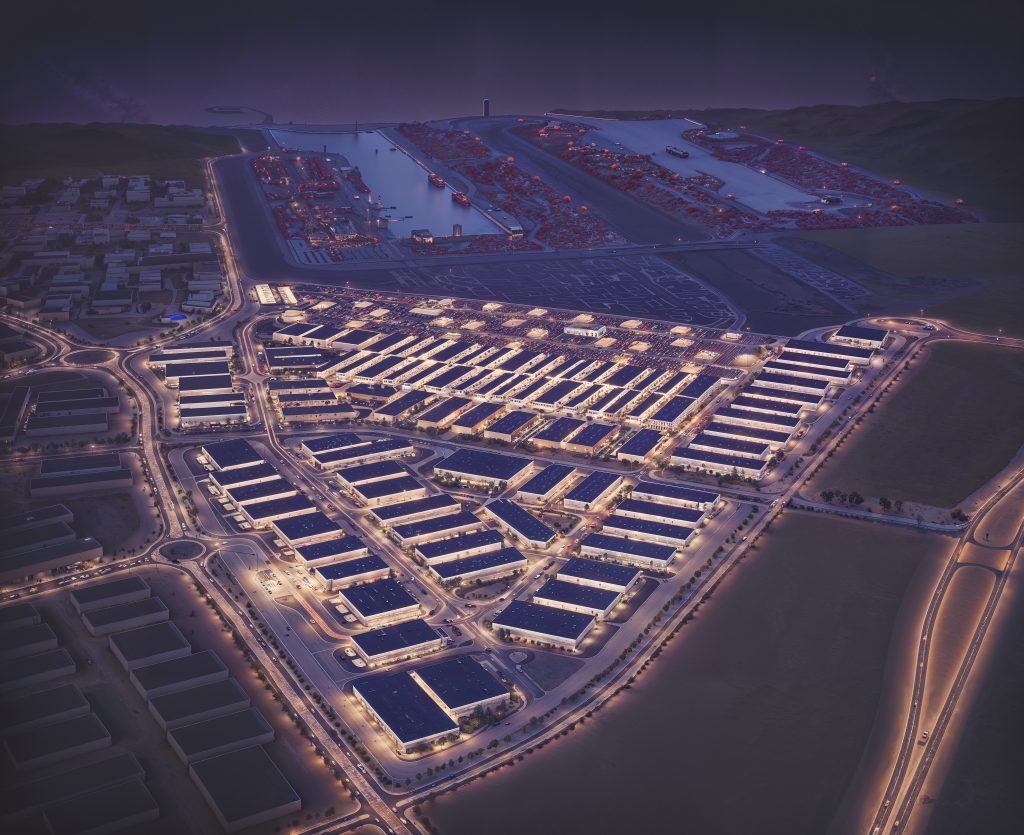
Master planning has always involved balancing dozens of competing variables, transport links, density, sunlight, wind, flood risk, green space, and community need. AI-driven simulation tools now let planners model these variables together, at scale, and test scenarios in ways that manual analysis simply can’t match.
Applications include:
- Predictive modelling of pedestrian flow, traffic, and public transport demand
- Environmental simulation (wind tunnelling, solar exposure, microclimate modelling) across entire districts
- Land-use optimisation for special economic zones, mixed-use districts, and large-scale masterplans
This is particularly relevant for the kind of large, multi-phase developments Pivotal has delivered, from special economic zones to major master planning and urban design programmes across the Middle East, Europe, and beyond. AI can surface the trade-offs; experienced planners still have to make the call on what serves the people who will actually live and work there.
3. Project & Design Management: Predicting Problems Before They Happen:

This is where AI is arguably delivering the fastest return on investment. Machine learning models trained on historical project data can now flag likely cost overruns, schedule slippage, and design clashes months before they would otherwise surface. Common use cases in design and project management include:
- Automated clash detection across architectural, structural, and MEP models
- Predictive scheduling, using historical data to flag high-risk activities and dependencies
- AI-assisted cost forecasting and value engineering, comparing options against benchmarked project data
- Document and RFI management, using natural-language tools to search, summarise, and track thousands of project documents
None of this removes the need for a single, accountable point of responsibility coordinating consultants, contractors, and client stakeholders; arguably, it increases it, since more data means more decisions need an experienced hand to interpret them correctly. This is the core of what Pivotal’s Design Management, Project Management Office, Value Engineering, and Technical Peer Review teams provide: AI-supported insight, filtered through people who have delivered thousands of projects and know which flags actually matter.
AI Is a Tool. Expertise Is Still the Differentiator:
Across design, planning, and management, the pattern is the same: AI is brilliant at generating options, surfacing patterns, and processing more data than any human team could manage alone. What it can’t do is take responsibility for a project, resolve competing stakeholder priorities, or make the judgement calls that separate a good building from a great one.
That’s the gap Pivotal International exists to fill. As a one-team, single-point-of-responsibility consultancy working across Design Consultancy, Management Consultancy, Economic Consultancy, and specialist Data Centre Consultancy, we help clients use new technology with confidence, because it’s guided by people who have delivered over 2,000 projects across more than 90 countries.
If you’re planning a development, from a single building to a hyperscale data centre campus, and want a partner who understands both where AI adds value and where experienced judgement still has to lead, get in touch with our team.